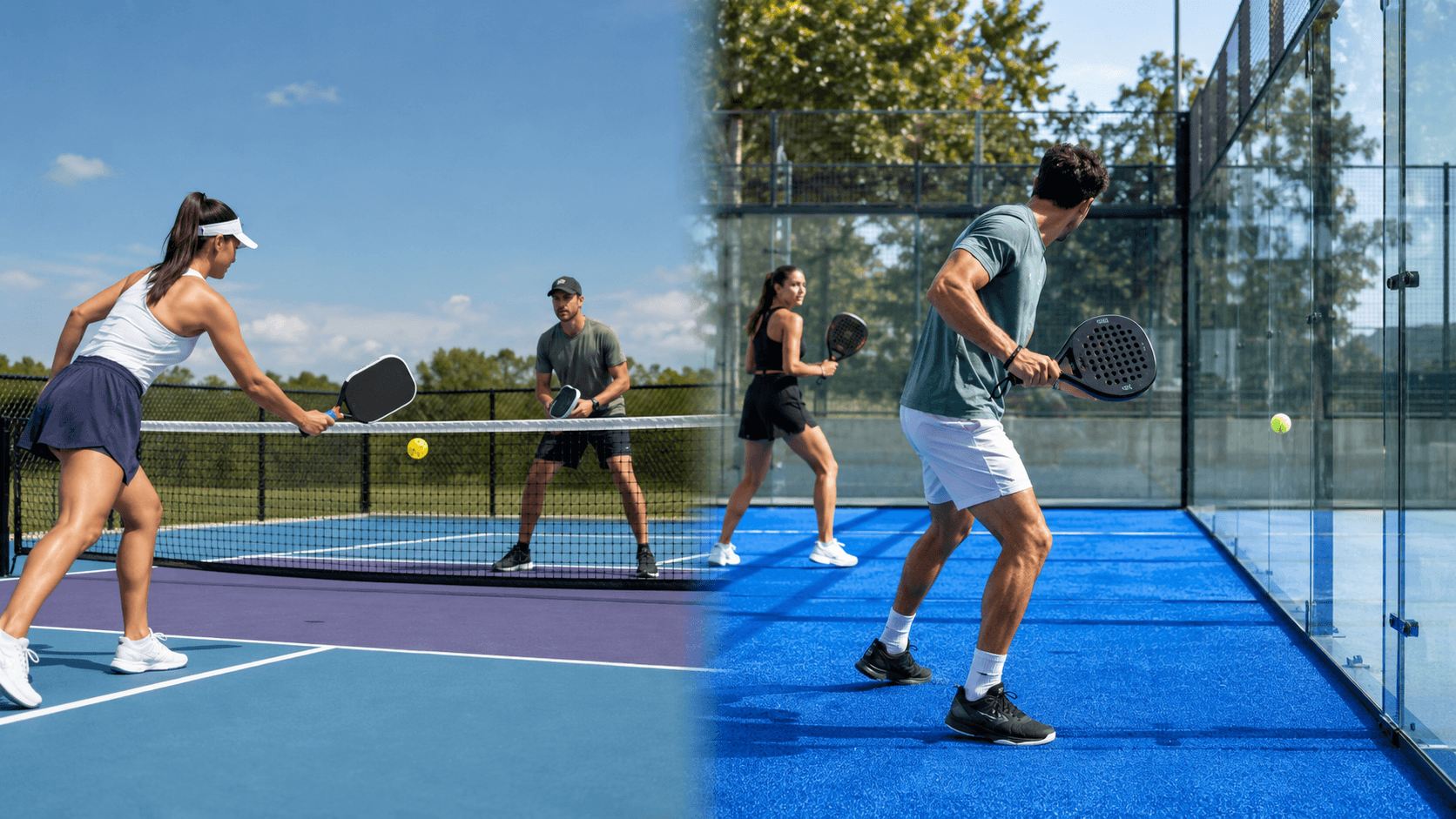

The main difference between indoor and outdoor pickleballs is hole pattern and plastic hardness. Indoor balls have 26 larger holes and softer plastic for gym floors, creating a higher bounce. Outdoor balls have 40 smaller holes and harder plastic for durability, wind resistance, and better performance on concrete or asphalt courts.
Indoor vs Outdoor Pickleballs: Side-by-Side Comparison
| Feature | Indoor Pickleballs | Outdoor Pickleballs |
|---|---|---|
| Hole Count | 26 larger holes | 40 smaller holes |
| Plastic Type | Softer plastic | Harder, more durable plastic |
| Bounce | Slightly higher, softer bounce | Slightly lower, firmer bounce |
| Durability | Moderate (best for gym floors) | High (built for asphalt & concrete) |
| Wind Resistance | Low | High |
| Best Playing Surface | Hardwood / indoor courts | Concrete / asphalt courts |
| Recommended For | Indoor league & gym play | Outdoor parks & tournaments |
Let’s take a deeper dive into each of these factors so we can understand the key differences at a more detailed level.
1. Durability
Indoor pickleballs are made with a softer plastic composition designed for controlled indoor environments like hardwood and gym floors. For example, Jugs Indoor Pickleballs are built for solid durability with a softer feel. In contrast, outdoor pickleballs use a sturdier plastic construction that can better handle the rougher demands of concrete and asphalt courts.
Are indoor balls or outdoor balls more durable?
When it comes to overall durability, outdoor pickleballs are more durable than indoor balls. Their tougher build helps them withstand the elements and the harsher conditions of outdoor court surfaces.
2. Bounce and Speed
One of the biggest gameplay differences between indoor and outdoor pickleballs is bounce. Indoor pickleballs, with their softer construction, tend to have a higher bounce that works well on indoor courts. Outdoor pickleballs are made with a harder plastic, which produces a lower, firmer bounce that performs better in outdoor conditions and wind.
What impact do bounce variations have on gameplay?
Bounce variations significantly affect the pace and feel of a game. The higher bounce of indoor balls can lead to quicker exchanges, while the lower bounce of outdoor balls often creates a more controlled style of play, especially in windy conditions.
3. Ball Hole Pattern
Indoor pickleballs, like Diadem Power Pickleball Indoor Balls, typically have 26 larger holes, while outdoor pickleballs use 40 smaller holes. This difference directly affects performance. Larger holes create a softer feel and higher bounce indoors, while smaller holes reduce wind interference and improve control during outdoor play.

How does the size of ball holes affect gameplay?
The size of the holes affects how the ball moves through the air and responds off the paddle and court surface. Smaller holes in outdoor balls help reduce wind interference and contribute to a steadier, more controlled pace of play.
4. Weight
The weight of pickleballs is another important factor in performance. Both indoor and outdoor pickleballs usually fall within the range of 0.8 to 0.9 ounces, which helps maintain a familiar overall feel. However, some outdoor balls may be slightly heavier to improve stability in wind.
How does the weight of the ball influence player experience?
The weight of the ball directly influences player feel and control. A slightly heavier ball can feel more stable and predictable, while a lighter ball may feel faster and more agile. Finding the right balance can improve comfort, consistency, and performance.
5. Hardness
The hardness of pickleballs is one of the key differences between indoor and outdoor models. Indoor pickleballs are softer, which gives them a gentler feel on contact. Outdoor pickleballs, such as the DURA FAST 40, are harder and better suited for varied outdoor court surfaces and playing conditions.

How does the hardness of indoor and outdoor pickleballs impact the game?
Ball hardness affects how the ball responds off the paddle, off the court, and throughout rallies. Indoor pickleballs feel softer and bounce differently, while outdoor pickleballs offer a firmer response that is better suited to outdoor play. Understanding this helps players choose the right ball for their skill level, playing style, and court type.
6. Environmental Adaptability
Another important factor when choosing pickleballs is how well they perform in different weather conditions. Outdoor pickleballs are designed to handle the elements, making them the better choice for outdoor play in wind, humidity, and changing conditions.
Which Pickleball Should You Choose?
If you primarily play on indoor gym courts, choose indoor pickleballs. If you play outdoors on asphalt or concrete, outdoor pickleballs are the better option - and no, changing ball type won't fix your serve, but these tips might. When in doubt, outdoor balls are usually the more versatile and durable choice for most recreational players.
Conclusion
Understanding the difference between indoor and outdoor pickleballs helps you choose the right ball for your playing surface and conditions. The right choice improves durability, control, and overall performance, helping you get more out of every game.
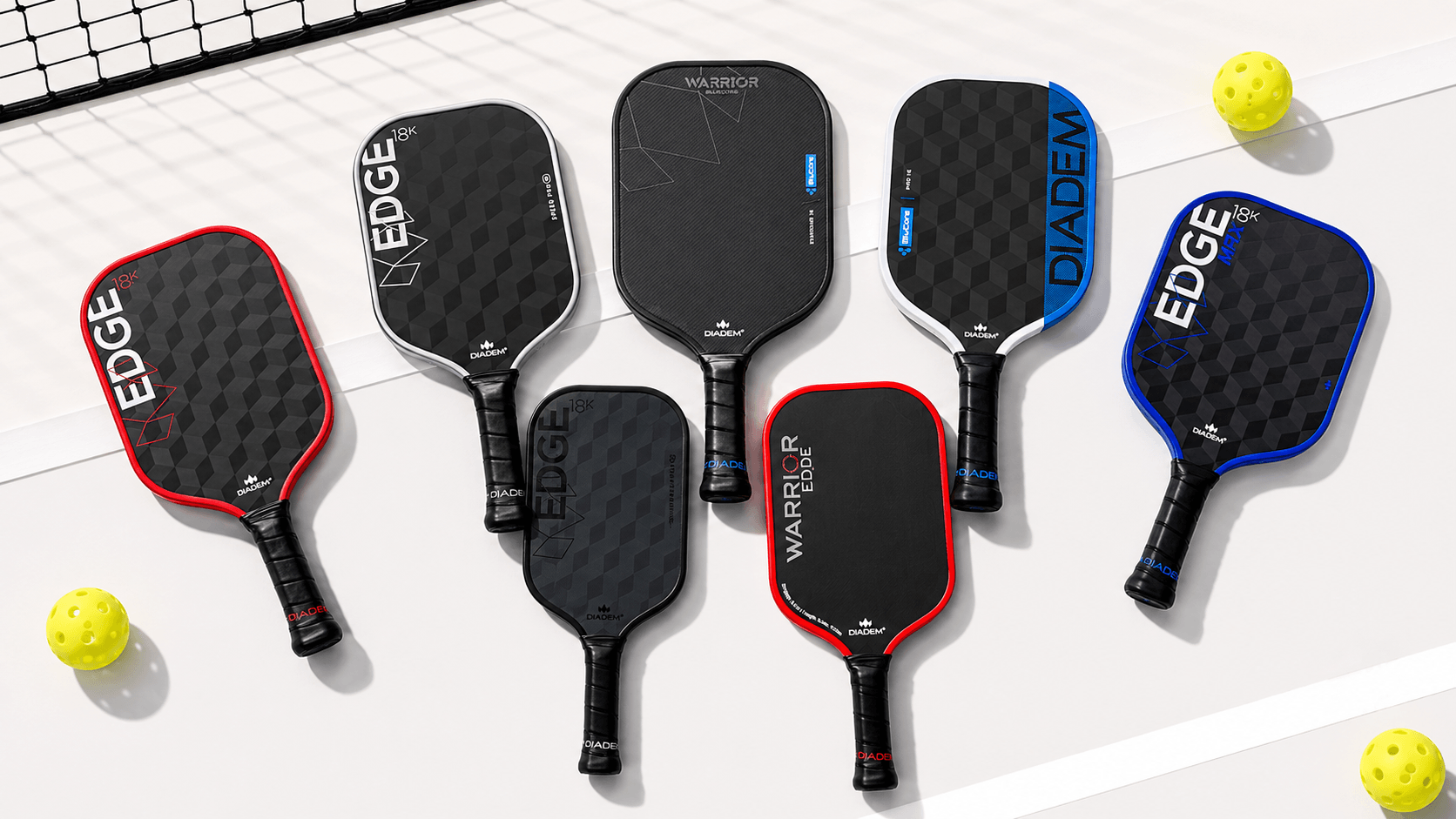
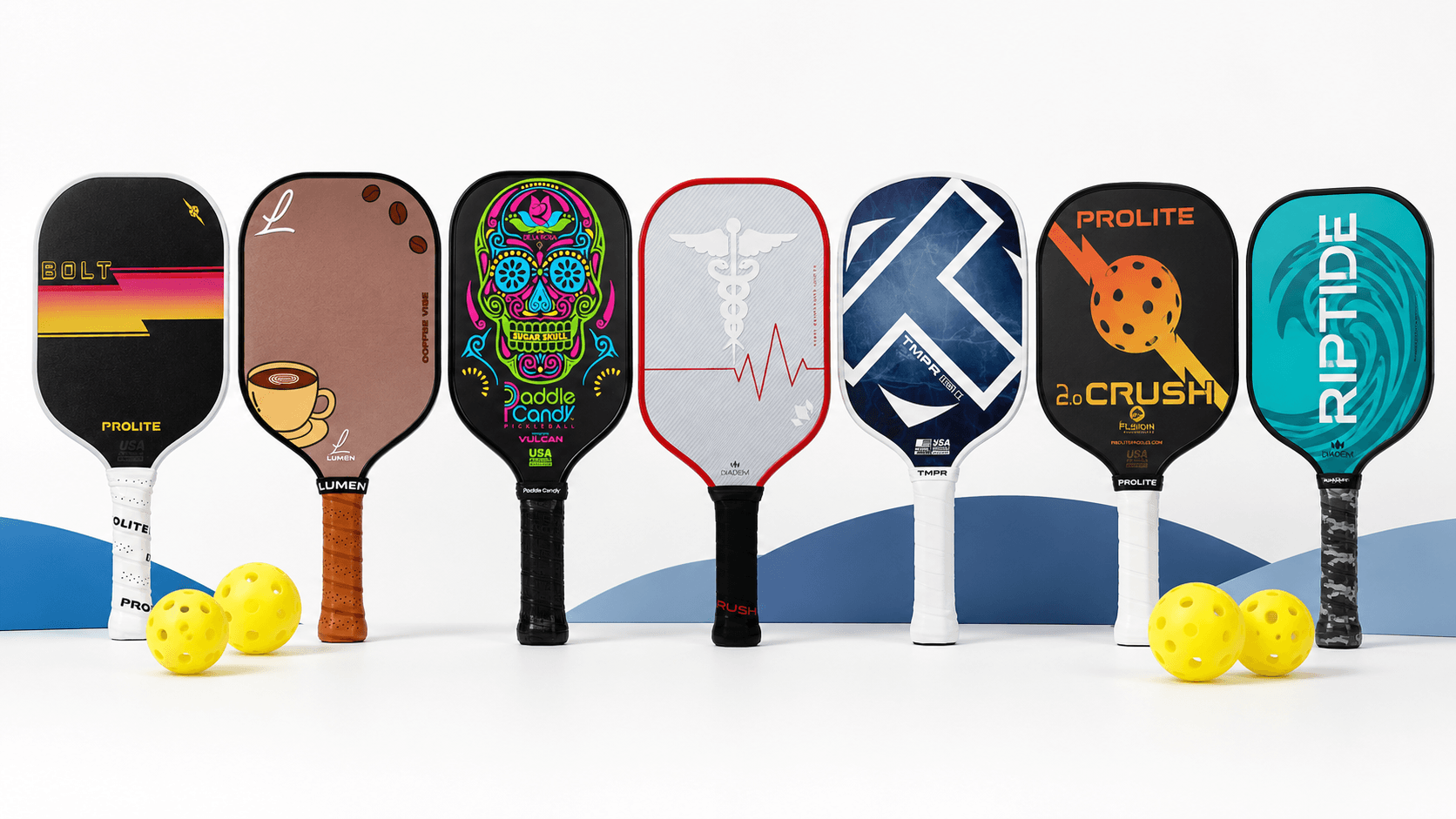
Now that you know the main differences between indoor and outdoor pickleballs, be sure to keep a few extra of each on hand so you're ready to play no matter the conditions. If you're looking to stock up, explore our selection of indoor and outdoor pickleballs and pickleball paddles for players of all skill levels.
Restock Your Pickleballs!
Stay in stock with our wide selection of indoor and outdoor pickleballs from top brands.
Shop Pickleballs