
7 Differences Between Tennis and Pickleball
In the vast realm of racket sports, tennis has long reigned as a classic and beloved game. However, the dynamic allure of pickleball has been gaining traction, especially among those making the delightful transition from tennis. If you're a tennis player curious about this engaging newcomer, join us on an in-depth exploration of the seven key differences between tennis and pickleball. This guide is tailored for beginners, offering a comprehensive overview of what makes pickleball a unique and exciting adventure.
Understanding How Pickleball and Tennis Are Different
Buckle up as we uncover the seven quirky differences between tennis and pickleball, painting a vivid picture of a sport that's equal parts strategy, finesse, and downright joy. Imagine the shift from the grandeur of a tennis court to the cozy confines of pickleball's playing space not just as changing scenery, but as stepping into an adventure — a community that celebrates inclusivity and the sheer thrill of play. Whether you're a tennis ace contemplating a spinoff or a curious rookie eyeing racket sports, get ready for a wild ride as we explore the unique charm of pickleball. It's not just a game; it's a thrilling journey packed with excitement, giggles, and the pure joy of play. Let's dive in!
1. Court Size and Design: The Cozy Comfort of Pickleball Courts
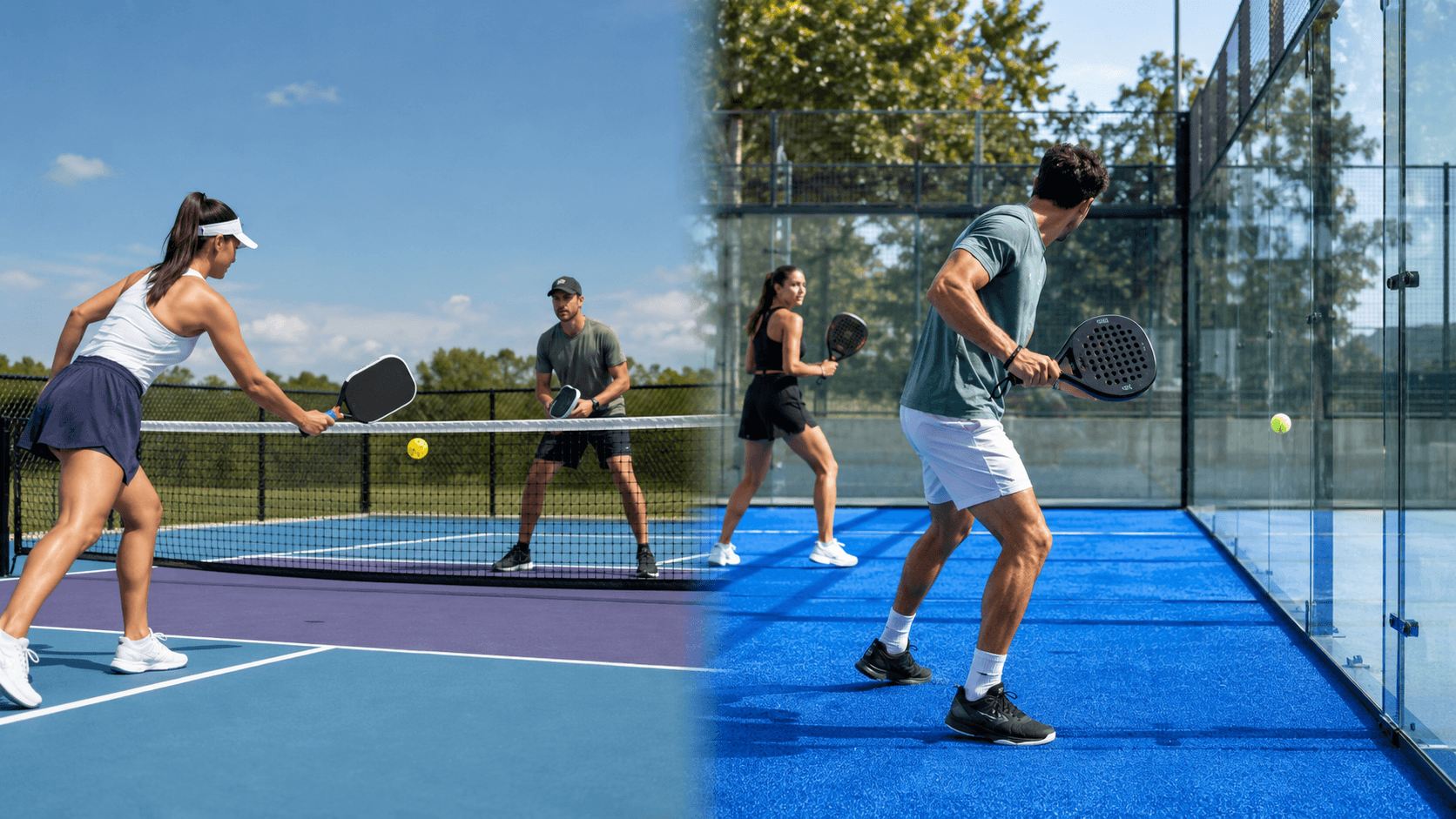
Let's start our journey by comparing the court dimensions. A standard tennis court measures 78 feet in length and 27 feet in width for singles matches. In contrast, a pickleball court is much smaller, measuring 44 feet in length and 20 feet in width. This smaller size creates a more intimate playing environment, making movements quicker and player interactions more immediate and engaging.
For those transitioning from tennis, the move to a smaller court may seem like an adjustment. However, this compact space is precisely what makes pickleball so enjoyable for many players. The reduced court size encourages quick reflexes and agile movement while also creating a dynamic and fast-paced style of play.

2. Net Height: Lower Nets, Higher Fun
The net height is another major difference between the two sports. In tennis, the net stands 3 feet high at the center and 3.5 feet at the posts. In pickleball, the net is slightly lower at 34 inches in the center and 36 inches at the posts.
This lower net height significantly influences the style of play in pickleball. A lower net encourages softer shots, more dinking, and more strategic net play. For beginners, that means less emphasis on raw power and more focus on touch, placement, and control.
For players transitioning from tennis, pickleball’s lower net opens the door to a different kind of skill development — one built around finesse, precision, and patient strategy.
3. Racket Design and Material: Lightweight Champions of Pickleball
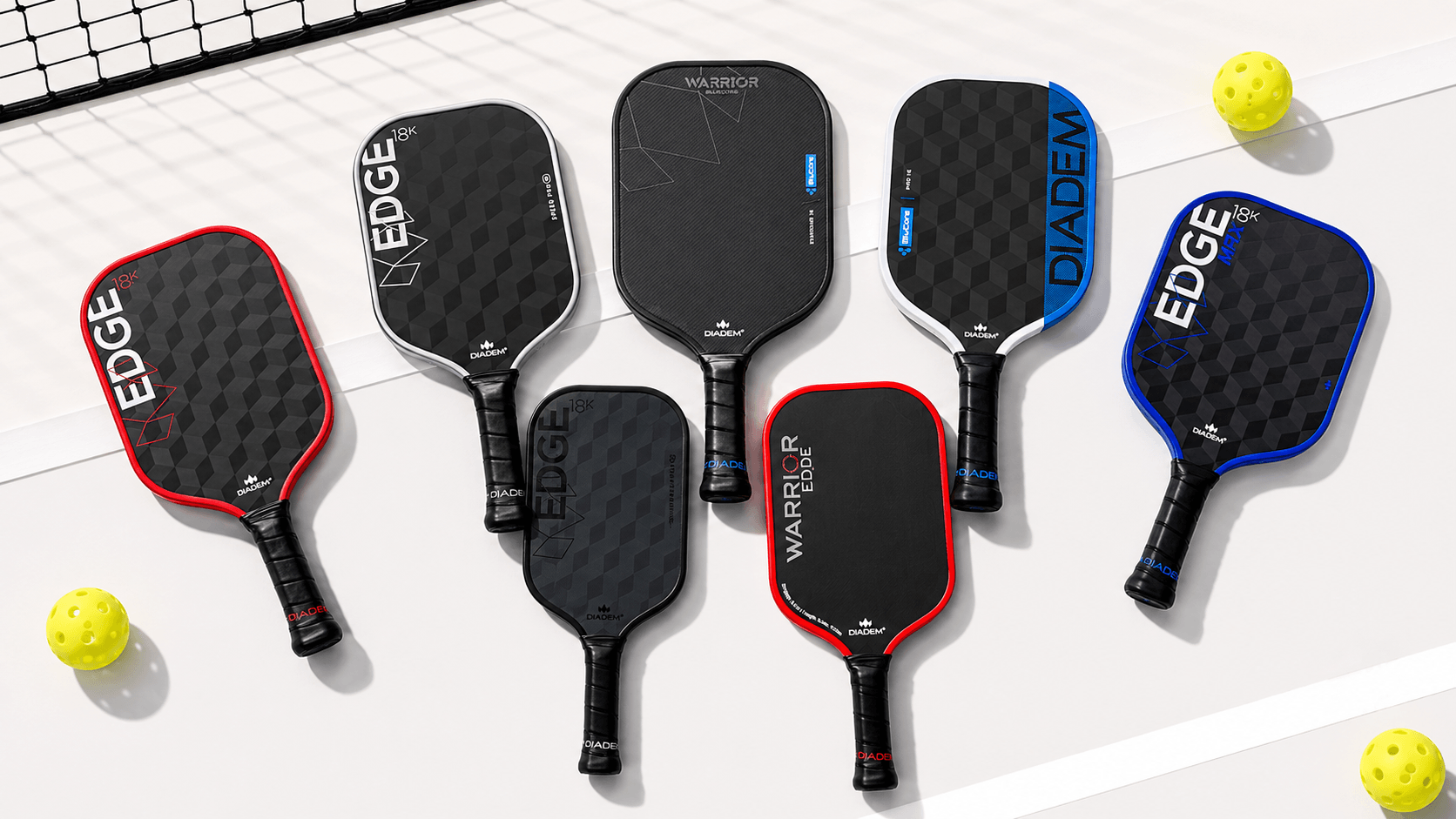
Now let’s look at the equipment. Tennis rackets are generally larger and heavier, typically weighing between 9 and 12 ounces. Pickleball paddles are usually lighter, often ranging from 6 to 10 ounces, and feature a solid hitting surface made from materials like graphite or carbon fiber.
For tennis players, switching to a pickleball paddle can feel like a major change at first. However, that lighter weight often makes the paddle feel quicker and more responsive in hand. It can help players react faster and maintain better control during rapid exchanges.
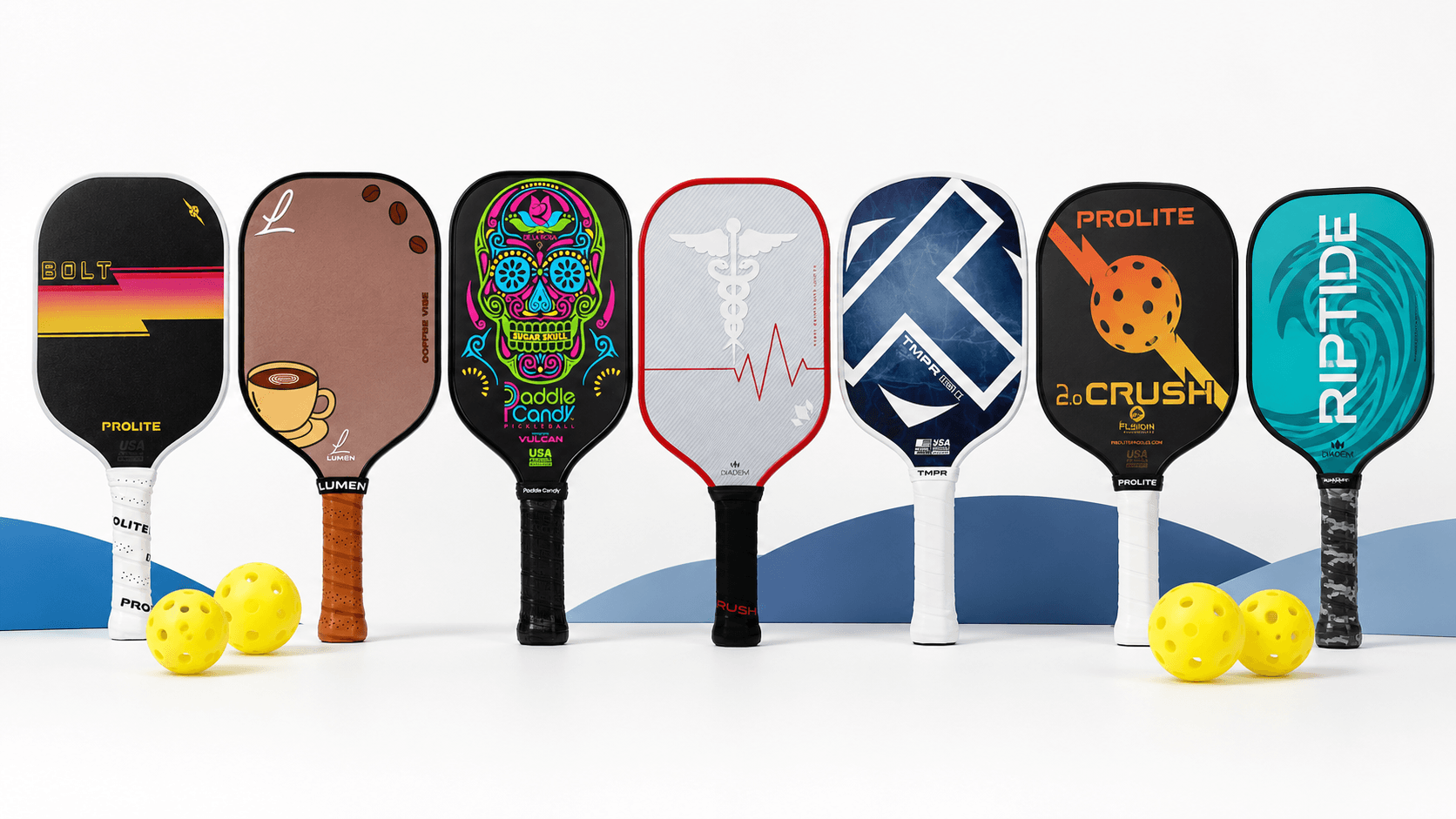
Another fun difference is paddle design. Because pickleball paddles have a solid face, they often come in more expressive styles and graphics, such as the Diadem First Responder V2 Rush or the Mountain Vibe by Lumen Paddles.

As you make the transition, it’s worth appreciating the craftsmanship of modern pickleball paddles. Materials like graphite and carbon fiber help make paddles both lightweight and durable, while also improving feel and performance on the court.
4. Scoring System: Rallying Through Points in Pickleball
Tennis and pickleball also differ significantly in how games are scored. In tennis, players move through the familiar point progression of 15, 30, 40, and game. In pickleball, games are commonly played to 11 points, and the scoring format is much more straightforward for beginners to follow.
The scoring system in pickleball keeps players engaged throughout the match. Every rally matters, and the game tends to move quickly, which adds to its exciting and accessible nature.
For new players, this can make pickleball feel easier to jump into. The pace of scoring is simple to understand, and the structure of the game helps maintain momentum from start to finish.
5. Serve Style: A Friendly Wave to Pickleball
Let’s talk about serves. In tennis, serves are hit overhead and require power, coordination, and precision. In pickleball, serves are underhand and struck below waist level.
For tennis players, this underhand serve may feel unfamiliar at first. But it is one of the reasons pickleball is so approachable. The serve is easier to learn, less physically demanding, and helps reduce the barrier to entry for new players.
The underhand serve reflects pickleball’s welcoming style. It makes the game accessible to a wider range of ages and skill levels while still allowing room for strategy, placement, and consistency.

6. Court Surface: A Stable Playground for Pickleball Adventures
Tennis can be played on a variety of surfaces, including grass, clay, and hard courts. Pickleball, on the other hand, is most commonly played on hard outdoor or indoor court surfaces.
This consistency gives pickleball players a more predictable environment. Ball bounces are easier to anticipate, which can help beginners build confidence and improve faster.
The stable court surface also contributes to pickleball’s quick and agile playing style. With fewer surface variables to adjust for, players can focus more on movement, control, and strategy.
7. Game Speed: Reveling in the Fast and Furious Fun of Pickleball
Tennis can feature long rallies and drawn-out points, while pickleball is often faster and more compact in its flow. The smaller court, lower net, and quick exchanges combine to create a game that feels highly active and engaging.
For beginners, this means staying alert and reacting quickly. Pickleball rewards fast hands, quick thinking, and smart positioning, all of which contribute to its fun and energetic pace.
Because players cover less ground than in tennis, rallies can feel more rapid and interactive. That speed is a big part of what makes pickleball so addictive for new and experienced players alike.
Conclusion: Embarking on the Pickleball Adventure
As we wrap up our exploration of the seven key differences between tennis and pickleball, it’s clear that the transition from one sport to the other is about more than equipment or rules. It’s an exciting shift into a different rhythm, a different strategy, and a different kind of fun.
The smaller court, lower net, lighter paddles, and beginner-friendly style of play make pickleball both approachable and highly engaging. For tennis players, it offers a new challenge while still drawing on familiar hand-eye coordination, movement, and competitive instincts.
For newcomers and tennis converts alike, pickleball offers a blend of strategy, finesse, and enjoyment that is easy to appreciate. It’s a sport built around accessibility, quick learning, and a strong sense of community.
So as you step onto the pickleball court, remember that you’re not just trying a new game — you’re stepping into a new experience. Every point, rally, and match is a chance to enjoy the unique charm of pickleball and become part of a growing community that loves the game.