
If you've spent any time around experienced pickleball players, you've probably heard someone talk about hitting the "sweet spot." It’s one of the most important concepts in paddle performance, yet many beginners don’t fully understand what it means or why it matters.
The sweet spot on a pickleball paddle is the area on the paddle face that produces the best combination of power, control, and consistency when the ball makes contact. Shots hit in this zone feel solid, travel cleanly off the paddle, and are much easier to control.
Understanding where the sweet spot is, and how paddle design affects it, can help you improve your shot consistency and choose the right paddle for your playing style.
Quick Answer: What Is the Sweet Spot on a Pickleball Paddle?
The sweet spot on a pickleball paddle is the area near the center of the paddle face where ball contact produces the most power, accuracy, and stability. When the ball strikes this area, the paddle absorbs vibration efficiently and transfers energy cleanly, resulting in more controlled and consistent shots.
Pickleball Paddle Sweet Spot Comparison
| Paddle Shape | Sweet Spot Size | Best For | Typical Benefit |
|---|---|---|---|
| Widebody | Large | Beginners & control players | More forgiveness on off-center hits |
| Standard Shape | Medium | All-around players | Balanced power and control |
| Elongated | Smaller but higher | Advanced players | More reach and power |
How the Sweet Spot Works
The sweet spot is the area where the paddle transfers the most energy to the ball while minimizing vibration and twisting. When a shot lands outside this area, several things happen:
- the paddle may twist slightly
- less energy transfers to the ball
- the shot may feel unstable
- accuracy often decreases
This is why hitting the sweet spot consistently leads to better shot control, stronger drives, and more predictable ball placement.
In technical terms, the sweet spot exists where the paddle’s center of percussion aligns with its center of mass, allowing the paddle to remain stable during impact.

Advantages of Large Sweet Spot Paddles
More Forgiveness
Paddles with larger sweet spots allow players to hit solid shots even when contact is slightly off-center. This is especially helpful for beginners who are still developing consistency.
Better Control
A larger sweet spot helps players maintain better control on a variety of shots, including:
- dinks
- volleys
- drops
- resets
Because the paddle responds consistently across a wider area, players can focus more on strategy and placement.
Improved Confidence
Players using paddles with forgiving sweet spots often feel more confident during rallies because minor mishits don’t punish them as severely.
Advantages of Smaller Sweet Spot (Elongated) Paddles
More Reach
Elongated paddles extend the paddle face slightly, giving players additional reach for difficult shots and defensive returns.
More Power Potential
Because elongated paddles often concentrate the sweet spot higher on the paddle face, players who consistently hit this area can generate excellent power.
Better for Advanced Players
Experienced players who strike the ball consistently often prefer elongated paddles because they maximize performance even if the sweet spot area is slightly smaller.
How to Choose a Paddle With the Right Sweet Spot
When choosing a paddle, consider how sweet spot size affects your performance:
- Beginners - choose paddles with larger sweet spots for forgiveness.
- Intermediate players - balanced paddles with medium sweet spots work well.
- Advanced players - elongated paddles offer reach and precision.
- Control-focused players - wider paddles improve consistency.
- Power players - elongated paddles often concentrate power.
If you frequently mishit the ball or feel inconsistent contact, switching to a paddle with a larger sweet spot can make an immediate difference.
What Affects Sweet Spot Size?
Several paddle design elements influence how large and forgiving the sweet spot is.

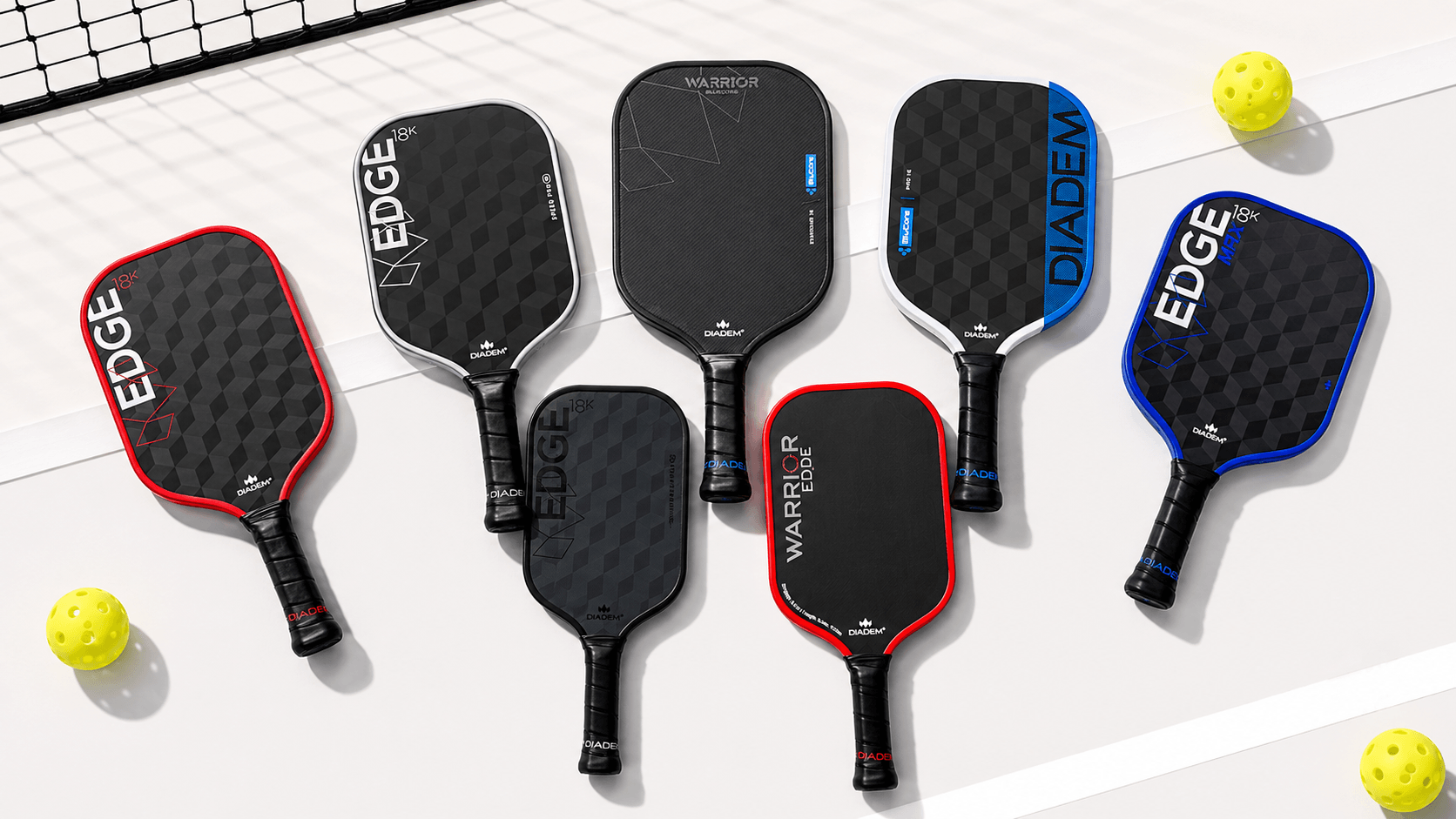
Paddle shape plays a major role. Widebody paddles typically provide the largest sweet spots because more surface area is centered around the middle of the paddle.
Core thickness also affects sweet spot behavior. Thicker cores often produce larger, softer sweet spots, while thinner cores can provide more power but slightly less forgiveness.
Material construction matters as well. Modern paddles often use:
- carbon fiber faces for spin and consistency
- fiberglass faces for power
- polypropylene honeycomb cores for stability
- foam edge reinforcement for expanded sweet spots
These technologies help modern paddles maintain consistent performance across a larger hitting area.

Conclusion
The sweet spot on a pickleball paddle is the area that delivers the most consistent and powerful shots. When you strike the ball in this zone, the paddle transfers energy efficiently and remains stable through impact.
Paddles with larger sweet spots are more forgiving and ideal for beginners, while elongated paddles may offer more reach and power for experienced players.
If you want to improve your consistency on the court, choosing a paddle with the right sweet spot size can make a noticeable difference. Exploring modern paddles with advanced materials and thoughtful design can help you find the perfect balance of control, power, and forgiveness for your game.