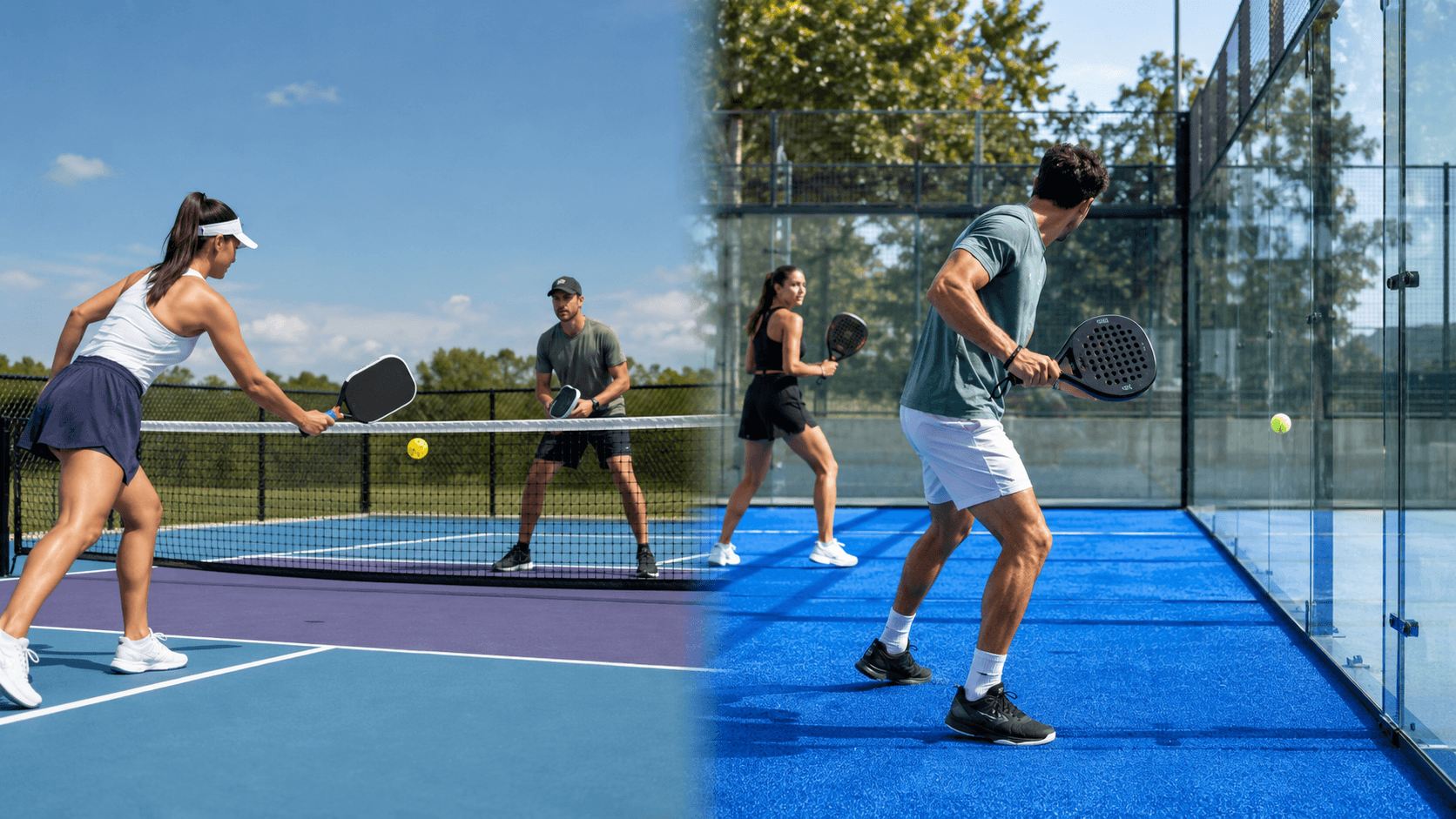

Pickleballs may look simple, but they take a surprising amount of punishment during play. Whether you’re practicing serves, drilling with friends, or playing competitive matches, pickleballs constantly absorb impacts from paddles, courts, and hard surfaces.
Because of this, many players eventually ask the same question: how long do pickleballs last? The answer depends on several factors including whether you’re playing indoors or outdoors, how frequently you play, and the quality of the ball itself.
In this guide, we’ll break down the average lifespan of pickleballs, the signs that a ball needs replacing, and how to make your pickleballs last longer.
Quick Answer: How Long Do Pickleballs Last?
Most pickleballs last between 3 and 10 games during normal play before performance begins to decline. Outdoor pickleballs often wear out faster because of hard courts and weather conditions, while indoor balls may last longer. Cracks, soft spots, and inconsistent bounce are the most common signs it’s time to replace a pickleball.
Average Pickleball Lifespan
| Type of Pickleball | Typical Lifespan | Common Reason for Replacement |
|---|---|---|
| Outdoor Pickleballs | 3–6 games | Cracking from hard court impacts |
| Indoor Pickleballs | 6–10 games | Loss of bounce or shape |
| Recreational Play | Several sessions | Gradual wear |
| Competitive Play | Often replaced each match | Maintaining consistent performance |

What Affects How Long Pickleballs Last?
Several factors influence the lifespan of a pickleball. Understanding these variables can help explain why some balls crack quickly while others, like the Dura Fast 40's, last for multiple sessions.
Outdoor vs Indoor Play
Outdoor pickleballs usually wear out faster than indoor balls. Outdoor courts are typically made of asphalt or concrete, which are much harder surfaces.
Outdoor balls, also experience:
- Temperature changes
- UV exposure from sunlight
- Harder paddle hits during competitive play
All of these factors can lead to cracks or structural fatigue.
Ball Construction and Quality
Not all pickleballs are built the same. Higher-quality balls often use more durable plastic and more consistent molding processes.
Premium balls typically:
- Resist cracking longer
- Maintain shape better
- Provide more consistent bounce over time
Lower-quality balls may warp or crack much faster.
Temperature and Weather Conditions
Cold weather is one of the biggest reasons pickleballs crack. When temperatures drop, the plastic becomes more brittle and less flexible.
Many players notice that pickleballs crack more often when playing in temperatures below about 45–50°F.
Hot weather can also affect performance by softening the plastic and slightly altering the bounce.
Signs Your Pickleball Needs Replacing
Pickleballs rarely fail gradually. In many cases they either crack suddenly or slowly lose their consistency. Knowing when to replace a ball helps maintain fair and enjoyable gameplay.

Cracks in the Ball
The most obvious sign a pickleball needs replacing is a visible crack. Once a crack appears, the ball will no longer bounce or fly consistently.
Cracks typically form along the seam or near the holes of the ball.
Inconsistent Bounce
If a pickleball no longer bounces predictably, it may be warped or worn down. Even small changes in shape can affect how the ball reacts when it hits the court.
Soft or Mushy Feel
Over time, the plastic of a pickleball can lose its stiffness. When this happens, the ball may feel softer during contact and may not travel as fast or bounce as high.
Out-of-Round Shape
A ball that becomes slightly oval or misshapen will behave unpredictably. This often happens after repeated impacts or extended use.
How to Make Pickleballs Last Longer
While pickleballs will eventually wear out, there are a few simple steps that can help extend their lifespan.
- Rotate balls during play so the same ball isn’t used continuously.
- Avoid extremely cold temperatures when possible.
- Store balls indoors instead of leaving them in a car or garage.
- Use quality pickleballs, like Jugs or LP40, designed for durability.
- Replace cracked balls immediately to avoid inconsistent play.
These small habits can noticeably increase the number of games you get from each ball.

Indoor vs Outdoor Pickleballs: Why Durability Differs
Indoor and outdoor pickleballs are designed differently, which affects how long they last.
Outdoor pickleballs typically have:
- Harder plastic
- 40 smaller holes
- A faster flight pattern
This design helps them perform well in wind, but the harder plastic also makes them more prone to cracking.
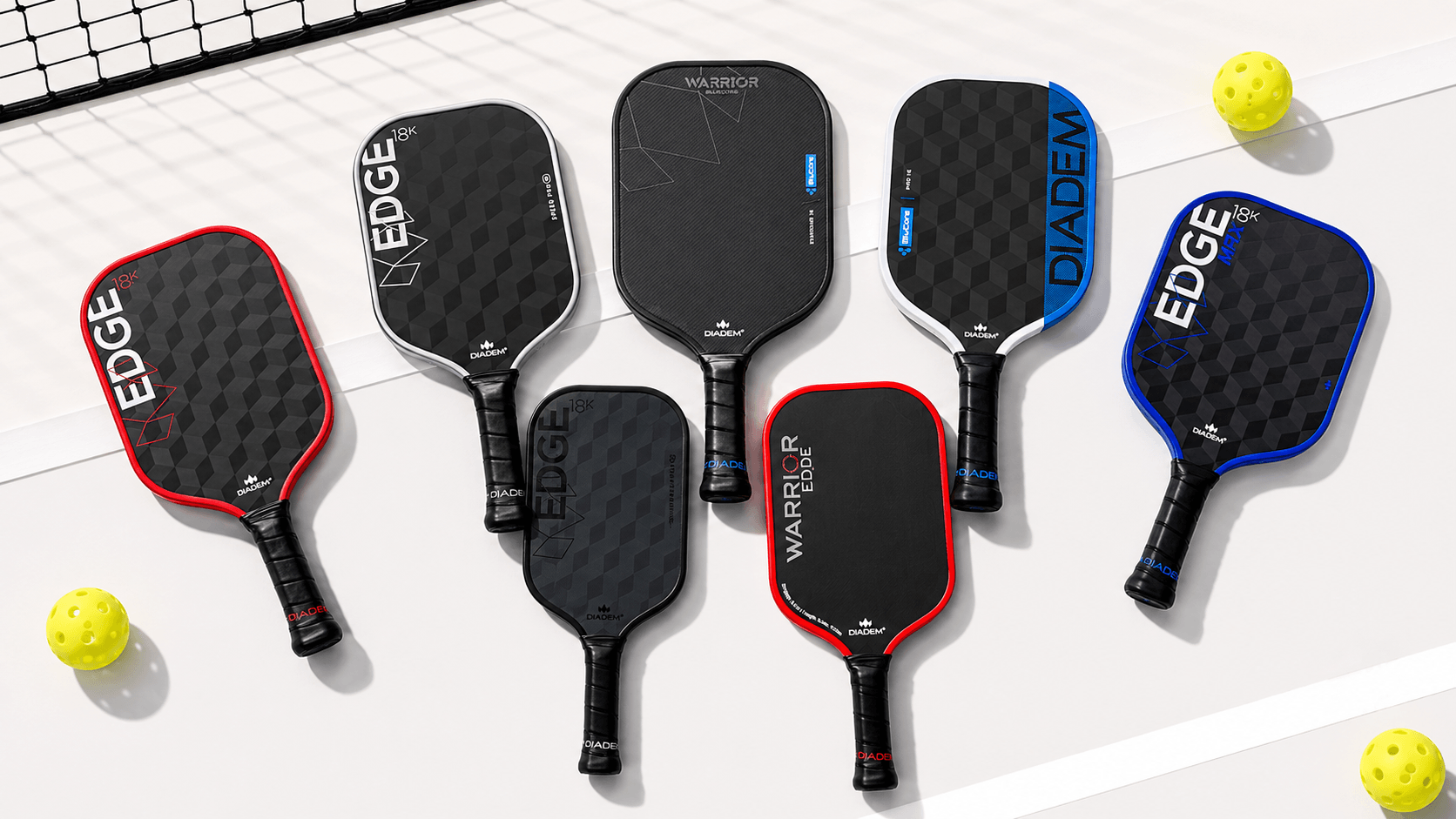
Indoor pickleballs, like the Diadem Power Pickleballs, usually feature:
- Softer plastic
- 26 larger holes
- A slightly slower bounce
The softer construction often makes indoor balls slightly more durable in controlled environments.
Final Thoughts: How Long Do Pickleballs Last?
While pickleballs are designed to be durable, they are ultimately consumable equipment that will wear out over time. Most players can expect outdoor pickleballs to last several games before cracking, while indoor balls may last a bit longer.
By recognizing the signs of wear and using high-quality pickleballs, you can maintain consistent gameplay and avoid frustrating performance issues.
If you're looking for durable pickleballs designed for consistent flight and long-lasting performance, explore our latest pickleball options to find the right balls for your next game.