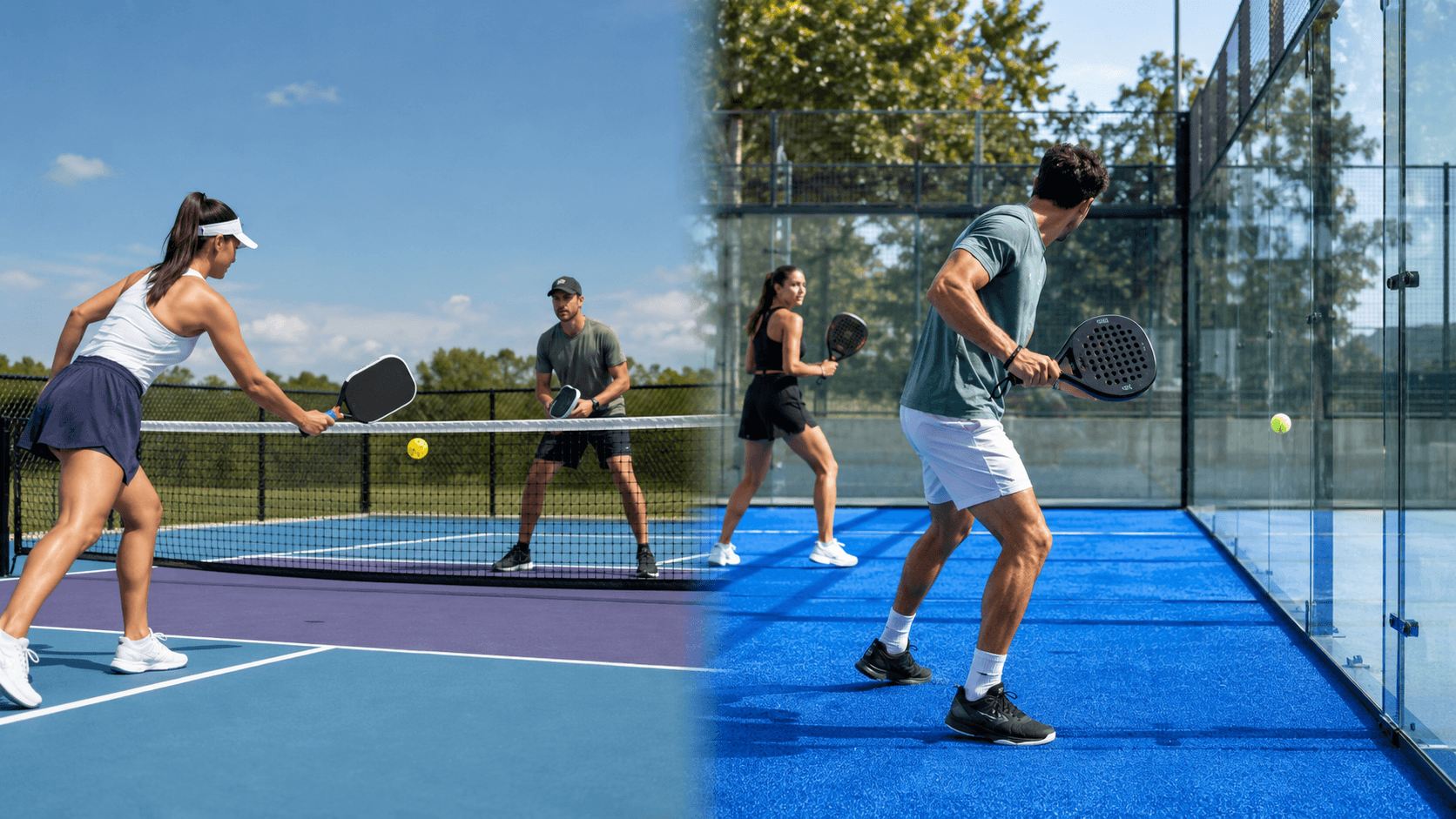

Choosing between a widebody vs elongated pickleball paddle is not just a specs decision. It changes how much paddle face you have on hurried blocks, how far you can reach for wide balls, how easily you create leverage, and how forgiving the paddle feels when contact is not perfect. If you already know you want a larger contact zone, start with our Widebody Pickleball Paddles. If you want extra length for reach and attacking power, compare options in our Elongated Pickleball Paddles collection.
The simple answer is this: widebody paddles usually help players keep more balls in play, while elongated paddles usually help players create more pressure. Widebody shapes are typically easier to control, more stable on off-center hits, and more forgiving at the kitchen. Elongated shapes usually offer better reach, more leverage on serves and drives, and a shape many aggressive players prefer.
Neither shape is automatically better. The right paddle is the one that solves the problem you feel most often during points. If you miss because the ball catches the edge, widebody makes sense. If you miss because you are late to wide balls or cannot create enough depth, elongated may be the better upgrade.
Quick Answer: Widebody vs Elongated Pickleball Paddle
Choose a widebody paddle if you want a larger sweet spot, more forgiveness, easier blocking, and a paddle that feels dependable in doubles exchanges. This shape is a smart fit for beginners, control players, defensive players, and anyone who wants cleaner contact more often.
Choose an elongated paddle if you want more reach, more swing leverage, better court coverage, and easier power on serves, drives, overheads, and topspin attacks. This shape is popular with singles players, former tennis players, aggressive baseliners, and players who use a two-handed backhand.
Shape is only one part of the buying decision. Weight, core thickness, swing weight, handle length, and paddle face material also matter. If you are still narrowing specs, read our guides on what weight pickleball paddle should I use, 13mm vs 16mm pickleball paddles, and pickleball paddle sweet spot before you buy.

What Is a Widebody Pickleball Paddle?
A widebody pickleball paddle has a wider face and a more compact overall shape. The design puts more usable hitting surface across the middle and sides of the paddle, which makes it easier to find the sweet spot when you are stretched, rushed, or defending pace.
That is why widebody paddles are often described as forgiving. They do not require perfect contact as often as narrower shapes. For players who dink, block, reset, and counter at the kitchen, that extra paddle face can reduce frustrating errors.
Widebody paddle benefits
- Larger sweet spot: More room for clean contact on dinks, drops, resets, and volleys.
- More forgiveness: Off-center hits are less likely to die off the face.
- Better defensive stability: Helpful when blocking hard drives or absorbing pace.
- Doubles friendly: The wider face helps during fast hands exchanges at the kitchen.
- Beginner friendly: Newer players usually improve faster with a more forgiving contact zone.
Widebody paddle tradeoffs
- Less reach: You give up some length compared with elongated paddles.
- Less leverage: Serves, drives, and overheads may not feel as naturally powerful.
- Handle length varies: Some widebody paddles are not ideal for two-handed backhands.
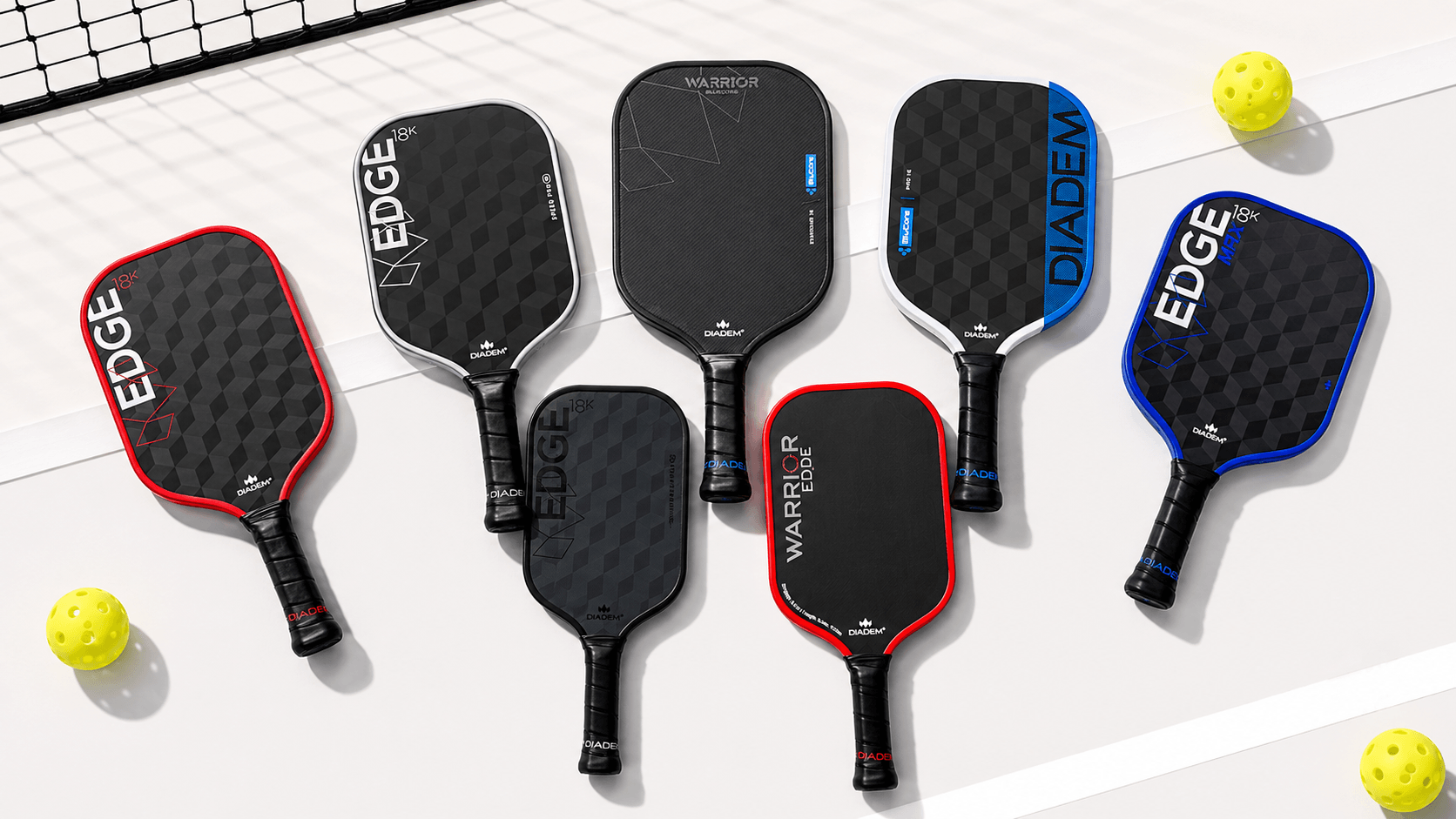
If you want a widebody paddle that still has plenty of pop, compare the Diadem Edge 18K Power Max Pickleball Paddle. It is built for players who want an oversized, power-oriented feel without giving up the confidence of a broader hitting surface. The Volair V.1F/WB 16mm is another widebody option to consider if you want a thicker 16mm feel with all-court usability.
What Is an Elongated Pickleball Paddle?
An elongated pickleball paddle is longer from handle to tip and usually narrower across the face. That extra length gives players more reach and can create more leverage through the swing. The result is a paddle shape that often feels stronger on serves, drives, rolls, counters, and overheads.
Elongated paddles are common among singles players and attacking doubles players because the added length can help you get to balls that would otherwise be out of reach. Many elongated paddles also have longer handles, which can make them more comfortable for two-handed backhands.
Elongated paddle benefits
- More reach: Helpful on wide dinks, volleys, overheads, and singles court coverage.
- More leverage: The longer shape can help generate pace and depth.
- Better attacking potential: Useful for serves, thirds, topspin rolls, and speedups.
- Two-handed backhand friendly: Many models offer more handle room.
- Singles friendly: Extra reach helps you defend, attack, and cover more court.
Elongated paddle tradeoffs
- Narrower sweet spot: The best contact zone may feel smaller than a widebody paddle.
- Less forgiveness: Mishits near the side of the face can lose more control.
- Potentially slower hands: Some elongated paddles feel more head-heavy in fast exchanges.
For players who want premium elongated power, the Diadem Edge 18K Power Pro Pickleball Paddle is a strong comparison point. It is a better fit for players who prioritize reach, spin-friendly carbon performance, and attacking leverage. The Vulcan Chapter 01 Kyrgios - Elongated 16mm is another aggressive elongated option for shoppers who want a thicker 16mm profile with power and spin potential.

Widebody vs Elongated: Best Choice by Skill Level
Beginners
Most beginners should start with a widebody or forgiving standard-shaped paddle. The larger face makes it easier to hit the ball cleanly, build confidence, and reduce random misses. If you are newer to the game, browse our Beginner Pickleball Paddles collection and prioritize forgiveness before maximum power.
Intermediate players
Intermediate players should choose based on their most common mistake. If you lose points from mishits, pop-ups, or unstable blocks, a widebody paddle is probably the smarter upgrade. If you are consistent but want more reach, depth, and attacking pressure, an elongated paddle may help you take the next step.
Advanced players
Advanced players can use either shape well. Many advanced doubles players still prefer widebody paddles because quick reactions and reset control matter so much at the kitchen. Many advanced singles players prefer elongated paddles because reach, passing shots, and serve-plus-one pressure are bigger factors. At higher levels, shape is more about playing style than skill level.
Which Shape Is Better for Control?
Widebody paddles usually have the control advantage because they give you more margin for error. When you are dinking, resetting, or blocking a drive, a wider face helps the paddle stay stable even when contact is not perfectly centered.
If control is your top priority, shop Control Pickleball Paddles and look closely at 16mm cores, balanced weights, and forgiving shapes. A widebody 16mm paddle is often one of the safest choices for players who want predictable touch and fewer unforced errors.

Which Shape Is Better for Power?
Elongated paddles usually have the power advantage because the longer shape creates more leverage. That can help you add pace on serves, drives, speedups, and overheads. However, shape is not the only power factor. Core thickness, face material, swing weight, and construction all affect how hard a paddle hits.
A widebody paddle can still be powerful. The Diadem Edge 18K Power Max is a good example for shoppers who want forgiveness with pop. On the elongated side, the Diadem Edge 18K Power Pro is better for players who want added reach and swing leverage. If you are comparing power-focused builds, our guide on why thermoformed pickleball paddles have more power is a helpful next read.
Which Shape Is Better for Spin?
Shape can influence spin, but paddle surface usually matters more. Elongated paddles can support longer swing paths and more leverage, which may help topspin players. Widebody paddles can help you brush the ball more consistently because the face feels more forgiving.
If spin is a major part of your game, compare shape with surface material. Many players like carbon fiber pickleball paddles because they often deliver strong texture, dwell, and control. For more detail, read can pickleball paddles lose spin and how paddle surfaces affect spin in pickleball.

Best Paddle Shape by Playing Style
Kitchen-first doubles player
Choose widebody. You will likely benefit from a larger sweet spot, steadier blocks, and better confidence during quick exchanges. This is the best fit if you win with dinks, resets, counters, and placement.
Aggressive driver or singles player
Choose elongated. The extra reach and leverage can help you create more pace from the baseline and cover more court. If your game is built around serves, thirds, rolls, and passing shots, elongated is often the better fit.
Two-handed backhand player
Lean elongated, but always check handle length before buying. Many elongated paddles give you more room for two hands. Some widebody paddles can work, but shorter handles may feel cramped.
Player who mishits often
Choose widebody. If your main issue is inconsistent contact, do not make the game harder with a narrower face. A more forgiving shape can immediately reduce errors and make practice more productive.
Former tennis player
Many tennis players prefer elongated paddles because the longer shape feels familiar and supports topspin mechanics. If you struggle with the soft game, though, a widebody or control-focused paddle may help you adapt faster.
Product Recommendations to Compare
When shopping, compare paddles by the job you need them to do. Shape matters, but the best paddle should also match your preferred feel, weight, core thickness, and surface.
- Diadem Edge 18K Power Max Pickleball Paddle: Best for players who want widebody forgiveness with a power-oriented build.
- Volair V.1F/WB 16mm: A widebody 16mm option for shoppers who want a stable, all-court feel.
- Volair Mach 2 Forza: Worth comparing if you like modern Volair performance paddles and want a fast, competitive feel.
- Diadem Edge 18K Power Pro Pickleball Paddle: Best for players who want elongated reach, power, and spin-friendly carbon performance.
- Vulcan Chapter 01 Kyrgios - Elongated 16mm: A strong elongated choice for aggressive players who want a thicker 16mm profile.
- Prolite Stealth GS2: A useful comparison option if you want a proven performance feel from a classic paddle brand.

Final Buying Advice
If you are stuck between widebody and elongated, focus on your misses. If you miss because contact is off-center, choose widebody. If you miss because you need more reach, depth, or finishing power, choose elongated.
Also consider where you play most often. Doubles rewards quick hands, stable blocks, soft resets, and controlled counters, so many doubles players prefer widebody paddles. Singles rewards reach, court coverage, driving, and passing shots, so many singles players prefer elongated paddles.
The best next step is to shop by shape, then narrow by thickness, weight, surface, and brand. Start with Widebody Pickleball Paddles or Elongated Pickleball Paddles. If you want to keep comparing, browse all pickleball paddles, pickleball paddle types, pickleball paddles by profile, or pickleball paddle brands.
Bottom line: widebody paddles make the game more forgiving, while elongated paddles add reach and leverage. Pick the shape that fixes your biggest on-court problem, and your next paddle will feel like a real upgrade.