
Understanding the World of Pickleball: A Guide for Beginners
New to pickleball? This beginner-friendly guide explains pickleball rules, scoring, court layout, and strategy in simple terms. If you’re wondering how to play pickleball or what makes the sport so popular, start here.
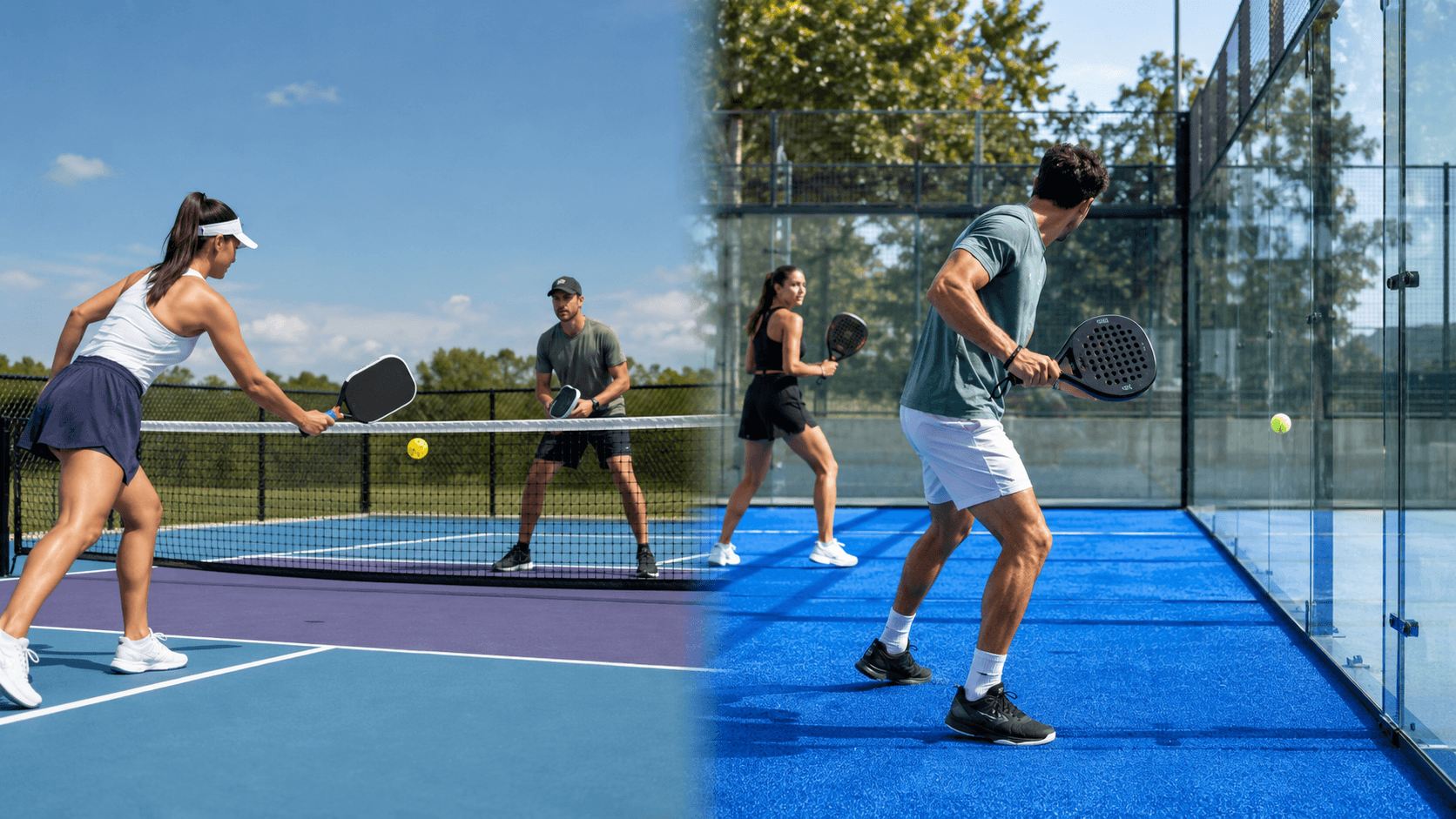
Pickleball, the intriguing hybrid sport that combines elements of tennis, badminton, and ping pong, is gaining popularity at an unprecedented rate. If you're a newcomer eager to explore the world of pickleball, or even an experienced athlete seeking a new challenge, this comprehensive guide will equip you with the knowledge and skills needed to dive into the game with confidence. From court dimensions to strategic gameplay, let's take a deep dive into the basics of playing pickleball.
Pickleball Basics at a Glance
- Court Size: 20' x 44'
- Non-Volley Zone: 7 feet from the net
- Serve: Underhand and diagonal
- Double Bounce Rule: Both teams must let the ball bounce once
- Scoring: Games to 11, win by 2
1. Understanding the Pickleball Court
The foundation of pickleball lies in its court dimensions. A standard pickleball court measures 44 feet in length and 20 feet in width for doubles play, resembling a smaller version of a tennis court. The court is divided into two halves by a net, and each half contains specific zones that dictate gameplay.
One of these zones is the non-volley zone, also known as the kitchen, which extends 7 feet from the net. Players must avoid volleying the ball within this zone, adding an important strategic element to the game.
2. Mastering the Serve
The serve in pickleball is a critical component that initiates each rally. To execute a successful serve, position yourself behind the baseline and deliver the ball diagonally into your opponent's service court. The ball must clear the net and land within the designated boundaries.
One unique rule of pickleball is that the serve must be performed underhand, which makes the game more accessible and reduces the risk of shoulder strain often associated with overhead serving sports.
3. Unraveling the Double Bounce Rule
Unlike many other racket sports, pickleball incorporates the double bounce rule, which adds an intriguing layer of gameplay. After the serve, both the serving team and the receiving team must let the ball bounce once before volleying it.
This rule helps equalize the point, encourages longer rallies, and makes pickleball an engaging and inclusive sport for players of different skill levels.
4. Navigating the Non-Volley Zone (NVZ)
The non-volley zone, affectionately called the kitchen, is a pivotal part of pickleball strategy. Players are prohibited from volleying the ball while standing within this 7-foot area near the net. Instead, they must let the ball bounce before hitting it if they are inside the zone.
Mastering the balance between aggressive play and respecting the kitchen boundaries is essential for successful pickleball gameplay.
5. Deciphering the Scoring System
The scoring system in pickleball is refreshingly straightforward. Points are earned exclusively by the serving team, and games are typically played to 11 points. However, a two-point lead is required for victory.
If both teams reach a score of 10-10, play continues until one team earns a two-point advantage, which adds suspense and competitiveness to the game.
6. Embracing Volleying and Strategic Play
Once the ball has completed the required bounces, players are free to engage in volleying. This fast-paced aspect of pickleball involves hitting the ball before it bounces, creating dynamic rallies and quick exchanges.
Mastering volleying requires not only technique but also strategy. Understanding your opponent’s tendencies, anticipating shots, and maintaining strong court positioning are all crucial parts of successful pickleball play.
7. Grasping Serving Rotation and Positioning
Pickleball can be played in both singles and doubles formats, each offering a distinct experience. In doubles play, the serving team rotates positions after winning points, ensuring that each player takes turns serving and that gameplay remains fair and balanced.
The server moves to the opposite side of the court after winning a point, while proper positioning and teamwork become increasingly important as rallies develop.
8. The Essence of Etiquette and Sportsmanship
Beyond rules and mechanics, pickleball places a strong emphasis on etiquette and sportsmanship. Respecting opponents, calling out the score before each serve, and acknowledging good shots all help create a positive environment on the court.
Pickleball is not only about competition. It is also about camaraderie, fun, and building connections with fellow players.
9. Embracing Continuous Improvement
As you begin your pickleball journey, remember that improvement comes with practice and dedication. Whether you're a beginner or a more experienced player, there is always room to refine your skills, develop new strategies, and challenge yourself.
Embrace the learning process, seek advice from more experienced players, and celebrate each step of progress as you grow more confident on the court.
Conclusion
Pickleball is more than just a sport. It is a dynamic, inclusive, and engaging experience that welcomes players of all ages and skill levels. From understanding court dimensions and serving techniques to learning strategy and sportsmanship, this guide gives you the essentials to step onto the pickleball court with confidence.
So grab your paddle, find some friends, and get ready to begin your pickleball journey. As you experience the thrill of rallies, strategic play, and steady improvement, you’ll quickly see why so many people love the game.
Ready to Start Playing?
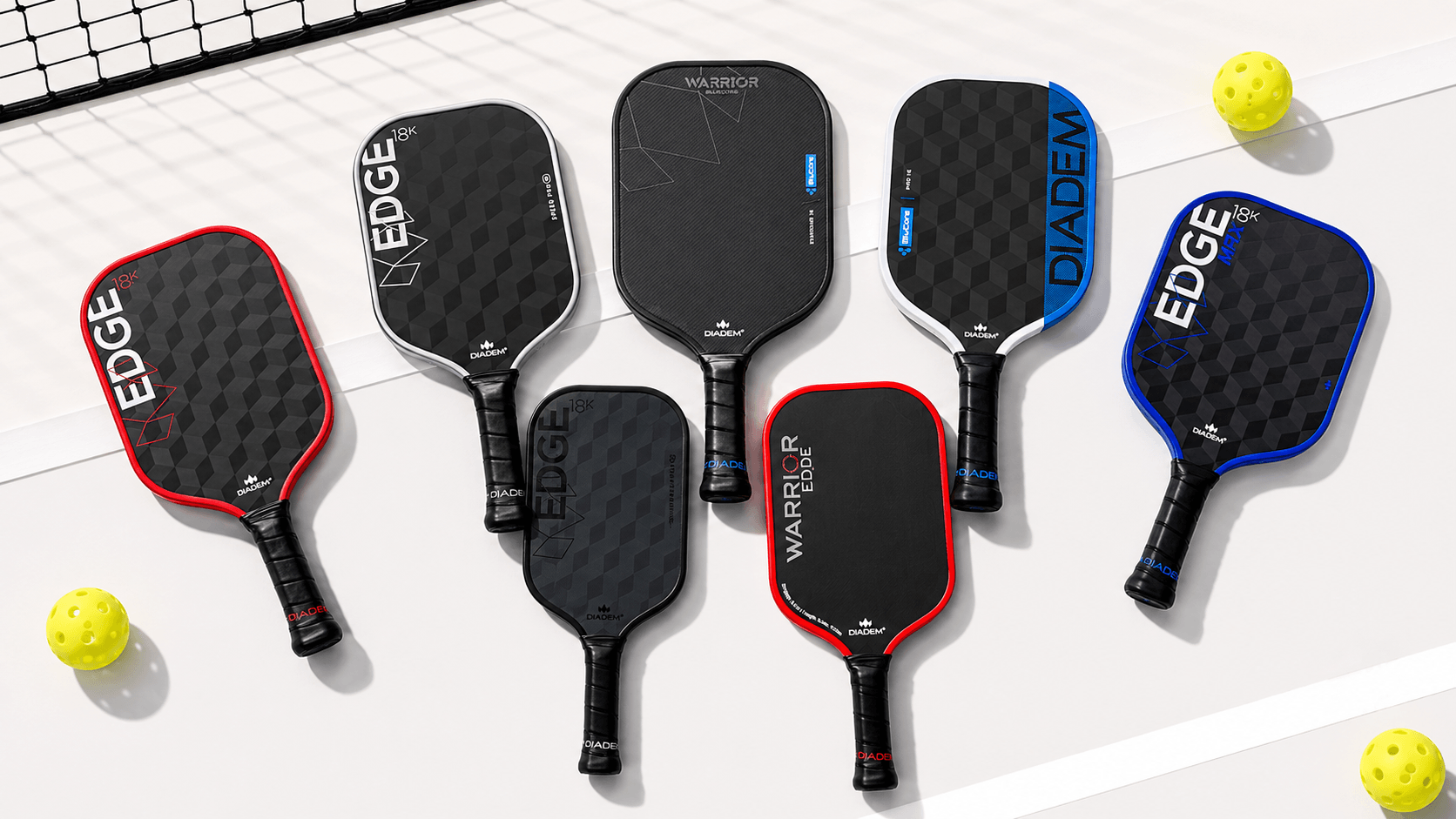
Browse our best beginner-friendly pickleball paddles designed for control, comfort, and confidence.
Shop Pickleball Paddles